Infrastructure
What Dubai's airport transition means for UAE business
Between 2032 and 2035, every flight currently using Dubai International is scheduled to move to Al Maktoum. The reset of the city's aviation system will reshape logistics, real estate and the businesses that sit between them.
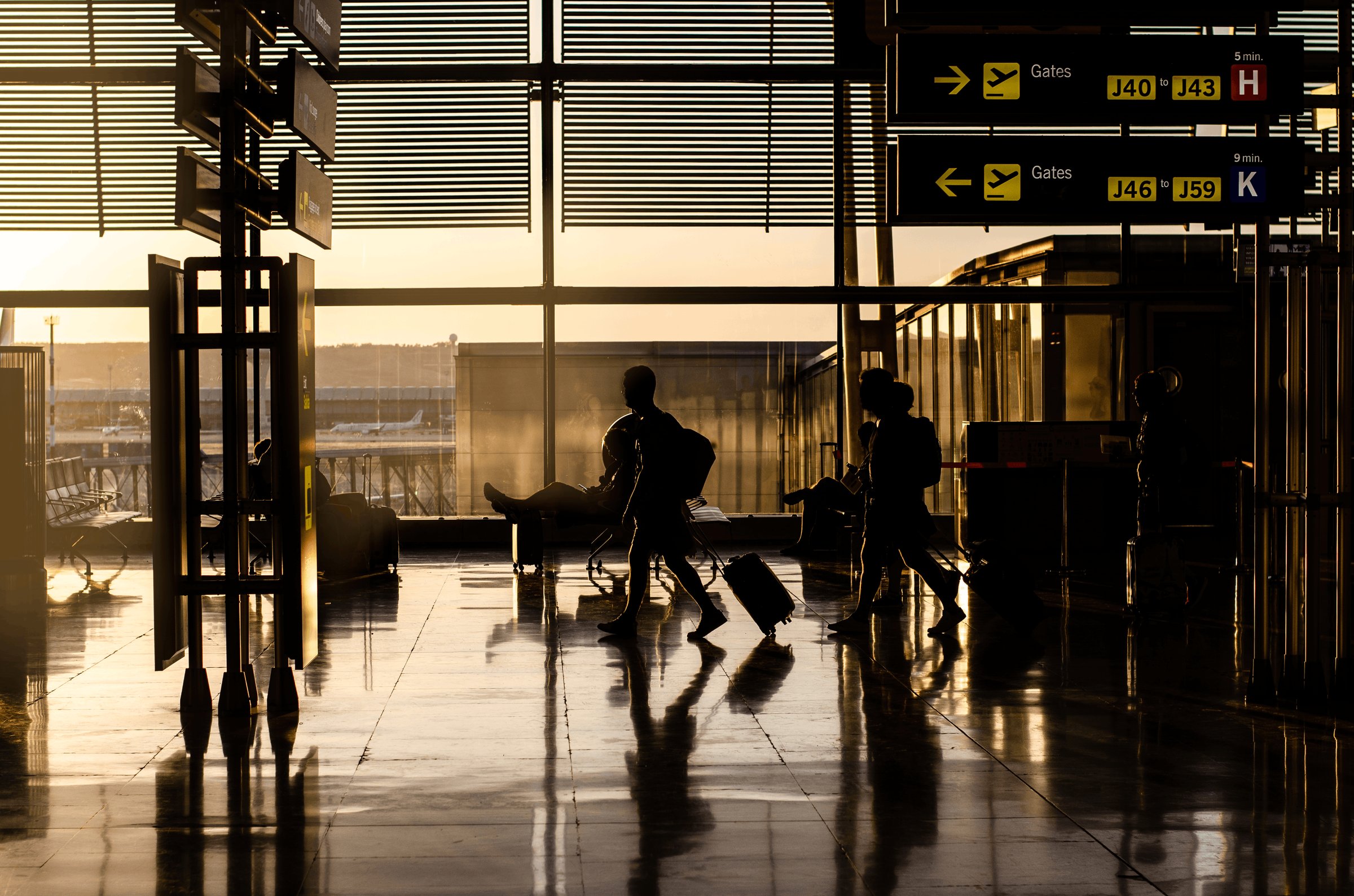
Dubai is preparing to retire one of the most successful airport stories of the modern era and replace it with something deliberately bigger. Between 2032 and 2035, every commercial flight currently operating out of Dubai International (DXB) is scheduled to transfer to Al Maktoum International (DWC) — the airport that has been running quietly in Dubai South since 2010, sized from day one to be the city's eventual primary gateway rather than a secondary one.
The scale of what is being built is the part that is easy to underestimate. The full DWC build-out is designed to handle roughly five times the throughput of any airport in operation today and is positioned to become, by some distance, the largest aviation facility ever constructed. It will be one of the defining infrastructure projects in the history of the industry — not just for Dubai, but globally.
Why this is happening now
DXB has been operating at or above its design capacity for several years. Even with continuous incremental expansion, the site is geographically constrained — it sits inside the city, ringed by built-up land, with no realistic way to add the runway or terminal capacity required to absorb another decade of demand. The forecasts that drive the move are unambiguous: passenger volumes through Dubai, cargo throughput, and the long-haul connections that anchor the emirate's economic model all continue to grow faster than DXB can scale.
DWC, by contrast, was master-planned from inception with the room and the runway geometry to absorb that growth for decades. Moving the operation south is not a retreat from DXB — it is the deliberate next step that the entire Dubai aviation plan has pointed toward since the original DWC blueprint was drawn up.
What changes for UAE business
- Cargo and logistics — DWC sits directly adjacent to Jebel Ali Port and inside the Dubai South free-zone ecosystem, making genuinely integrated sea-air cargo possible at a scale DXB never could.
- Real estate — Dubai South, currently a meaningful but secondary residential and commercial node, becomes the centre of gravity for the next development cycle as the airport ramps up.
- Aviation services and MRO — the maintenance, ground-handling and corporate-aviation footprint around the airport gets to be designed cleanly, without the legacy constraints of DXB's existing tenancy.
- Tourism — significantly higher arrival capacity unlocks growth in hospitality, retail and the broader visitor economy that already drives a meaningful share of Dubai's GDP.
- Corporate transit — Dubai's role as the connecting hub for east-west business travel deepens, with capacity to absorb the long-haul carriers that currently use DXB at or near saturation.
A long, deliberate runway
The 2032–2035 window is intentional. Moving an operation the size of Emirates, flydubai and the wider DXB tenant base requires the receiving infrastructure to be fully built, tested under live load, and integrated with everything around it before any meaningful traffic transfers. Phased move-in, parallel running, and contingency capacity at DXB during the transition are all part of the plan rather than afterthoughts.
For investors and operators reading the airport story as a property or logistics signal, the multi-year window is also the part that matters most. The capital-allocation decisions that pay off when DWC goes live are being made now — not in 2032. Land assembly, anchor-tenant negotiations, MRO licensing, last-mile logistics and the workforce planning that supports all of it are happening on this side of the move, not the other.
Our reading
We treat the DWC transition as one of the small handful of structural shifts that will reshape the UAE asset map between now and the mid-2030s — comparable in significance to the build-out of Jebel Ali in the 1980s or DIFC in the 2000s. Most of the value created by an infrastructure project of this size accrues to whoever positioned correctly five to ten years before it goes live. We expect the next several years of Dubai South real estate, cargo and aviation-adjacent investment to look, in retrospect, like the obvious place capital should have been deployed.
Topics